
Ten years. When I first entered the Rebelle Rally in 2016, I don't think I could have imagined what those words would eventually mean. Ten years of maps spread across the hood of a vehicle. Ten years of early mornings, long days, dusty clothes, hurried calculations, questionable decisions, great decisions, missed checkpoints, found checkpoints, friendships, frustration, exhaustion and some incredible finishes.
I've competed as both a driver and a navigator, and in both 4x4 and X-Cross. I've stood on the podium five times, in both classes, including three times on the top step. Those results are something I'm incredibly proud of, but they aren't what the Rebelle has taught me. The lessons that have stayed with me came from everything that happened between the start and finish lines.
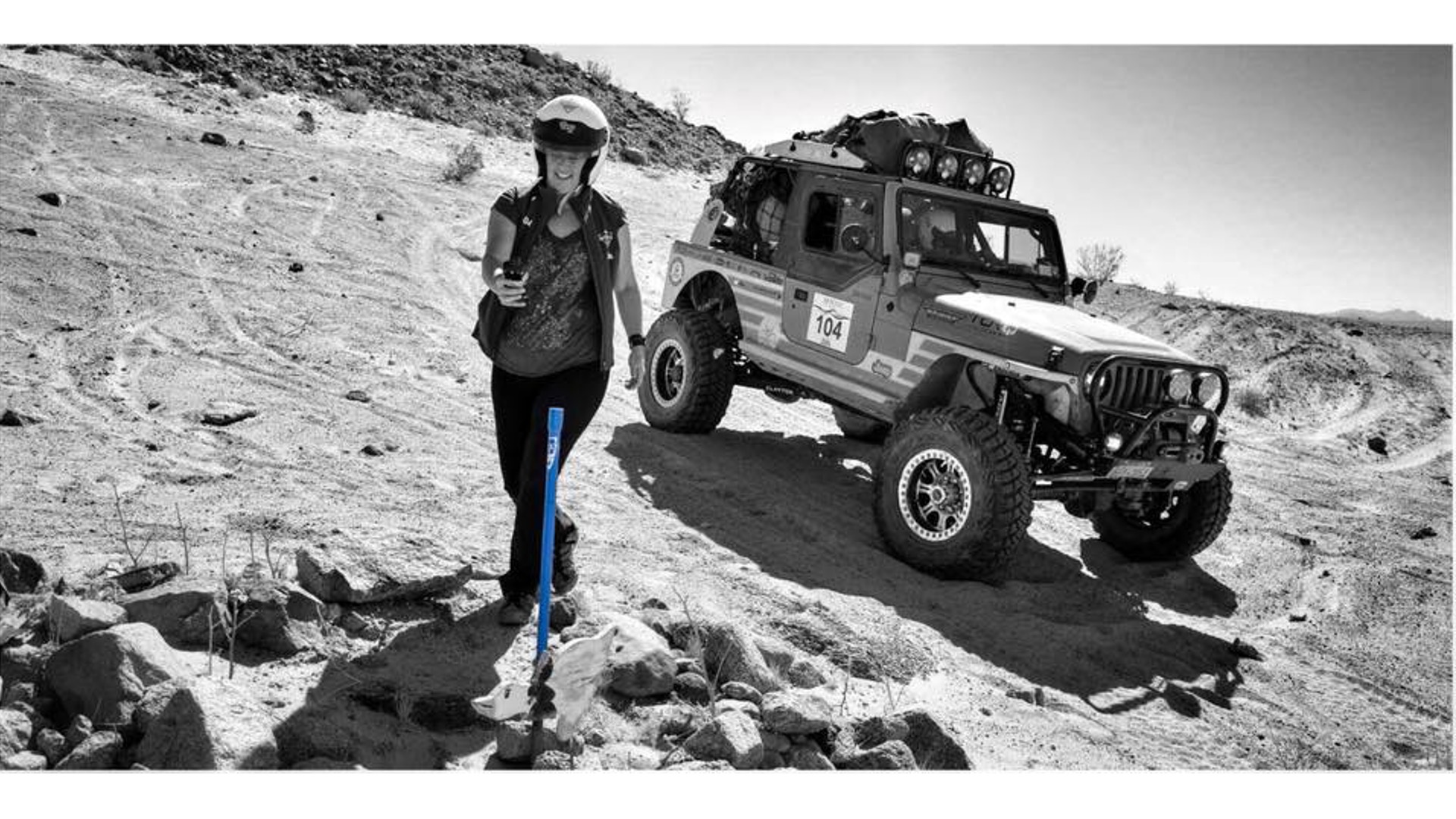
Experience Doesn't Mean You Stop Learning
This may be the biggest lesson of all. After ten Rebelles, you'd think preparing for number eleven would feel routine. It doesn't. This year I'm moving back into the navigator's seat, and I've found myself practicing things I've done hundreds of times. I'm working heading-and-distance problems, plotting coordinates and looking for ways to make my calculations faster and more repeatable. I'm thinking about how to organize my workspace so that when I'm tired, hungry or bouncing down a dirt road, I don't make a stupid mistake.
That might sound excessive. It's not. The Rebelle has taught me that experience isn't about needing less preparation. Experience teaches you what deserves more preparation. You eventually realize that most big mistakes start as very small ones.
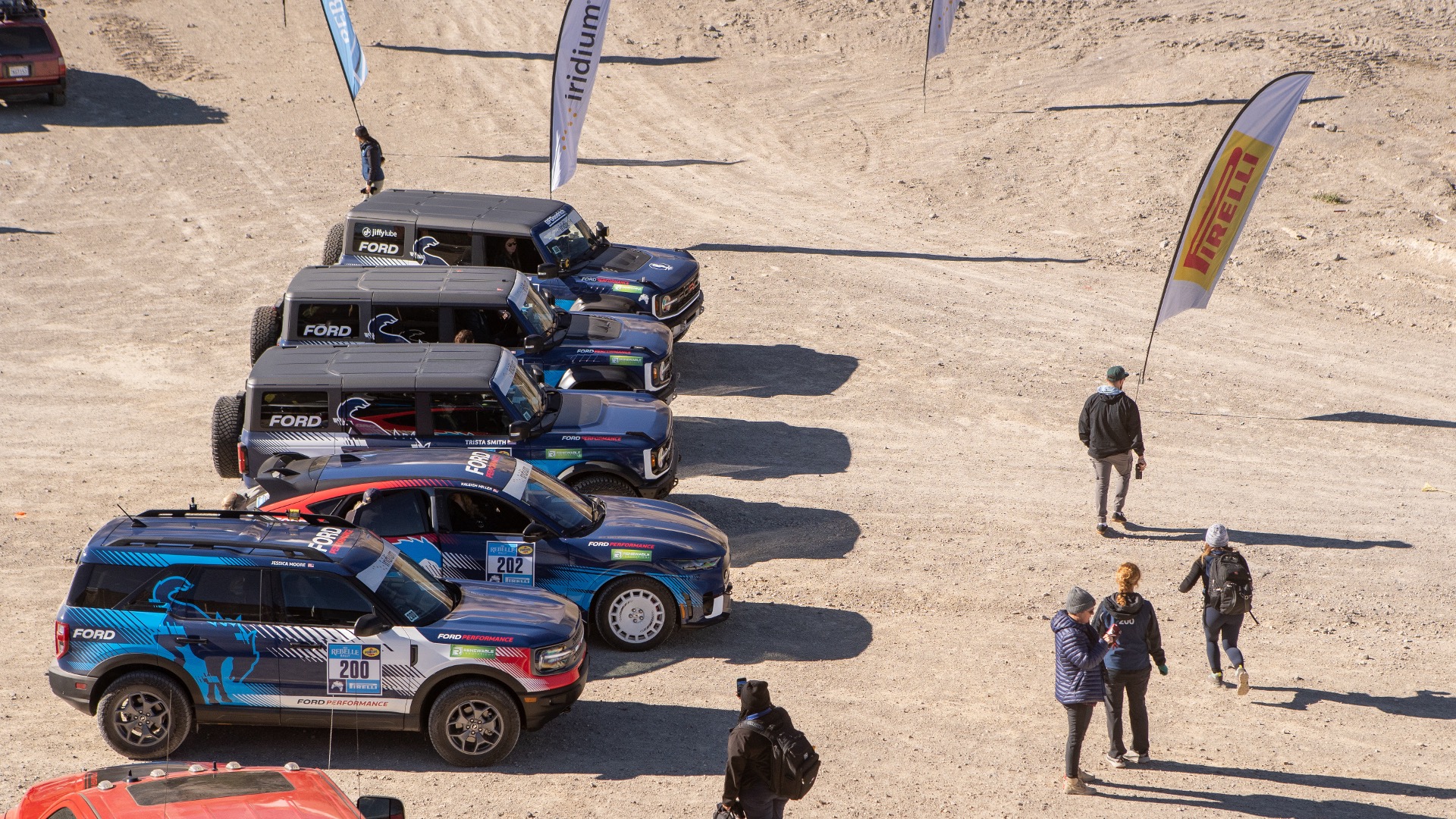
Slow Down to Go Fast
When you're competing against the clock, everything in your brain tells you to hurry. Calculate faster. Plot faster. Make the decision. Get moving. But rushing can be incredibly expensive. A coordinate copied incorrectly, the wrong number used in a calculation, a bearing read backward or a point plotted just slightly off can send you confidently in exactly the wrong direction.
I've learned that the fastest teams aren't necessarily moving fast every second. They know when to stop. They verify. They ask, "Does this make sense?" Then they commit. Five seconds spent checking something can save 20 minutes of driving around wondering how the terrain suddenly stopped matching the map.
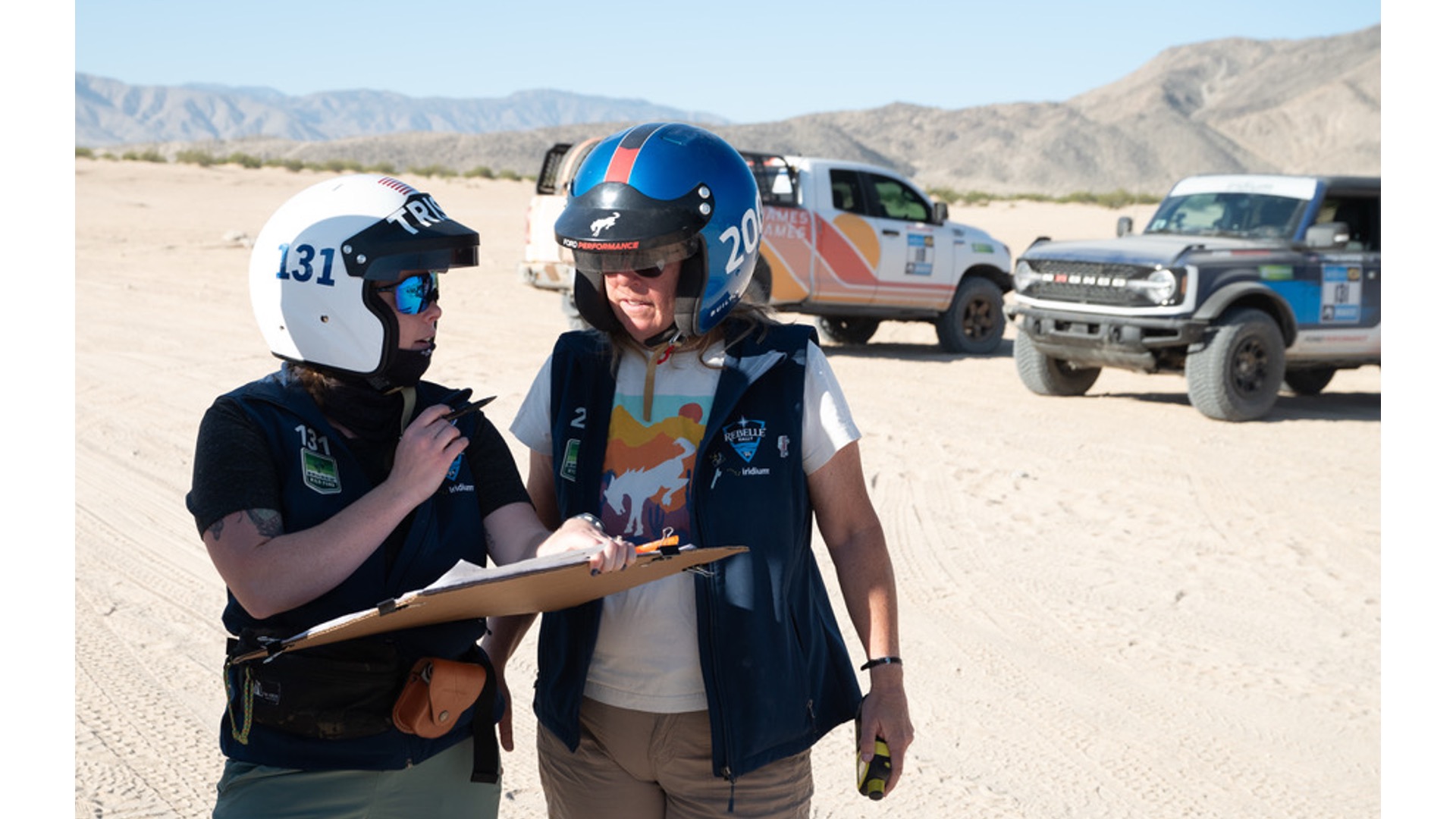
Don't Outsmart the Map
There are moments in the Rebelle when you become absolutely convinced you know where you are. That's dangerous. The terrain looks right. The road feels right. That mountain is probably the mountain you think it is. Probably. The map doesn't care about your confidence.
I've learned to trust information more than emotion or my gut. When the terrain and my assumptions disagree, I go back to what I actually know. Where was my last confirmed position? What direction did we travel? How far? What terrain features should be around us? The ability to admit, "I don't know exactly where we are right now," isn't weakness. It's the beginning of getting unlost.
Two Seats, One Team
I've had the unusual opportunity to experience the Rebelle from both seats. Driving taught me what a navigator needs from a driver, and navigating taught me what a driver needs from a navigator. The driver needs clear information, not a dissertation: "Left at the Y." "Stay right." "Stop." "Back up 20 meters." The navigator needs a driver who listens, communicates what they're seeing and doesn't turn every navigation discussion into a debate.
Both people also need to understand something important: being wrong isn't a character flaw. There will be wrong turns, bad calls and missed points. Assigning blame doesn't recover any of them. The best teams I've been part of solve the problem first and discuss it later.
Your teammate also matters more than your vehicle. I've competed in incredibly capable vehicles, and I love all the Broncos I've had the opportunity to compete in, but a vehicle doesn't make a team. You need someone you trust when you're tired, someone who can tell you you're wrong without making it personal, and someone who can hear the same from you. You also need to be able to laugh. There will eventually be a moment when nothing is funny, which is usually exactly when you need to find something to laugh about.
Protect the Vehicle — and Yourself
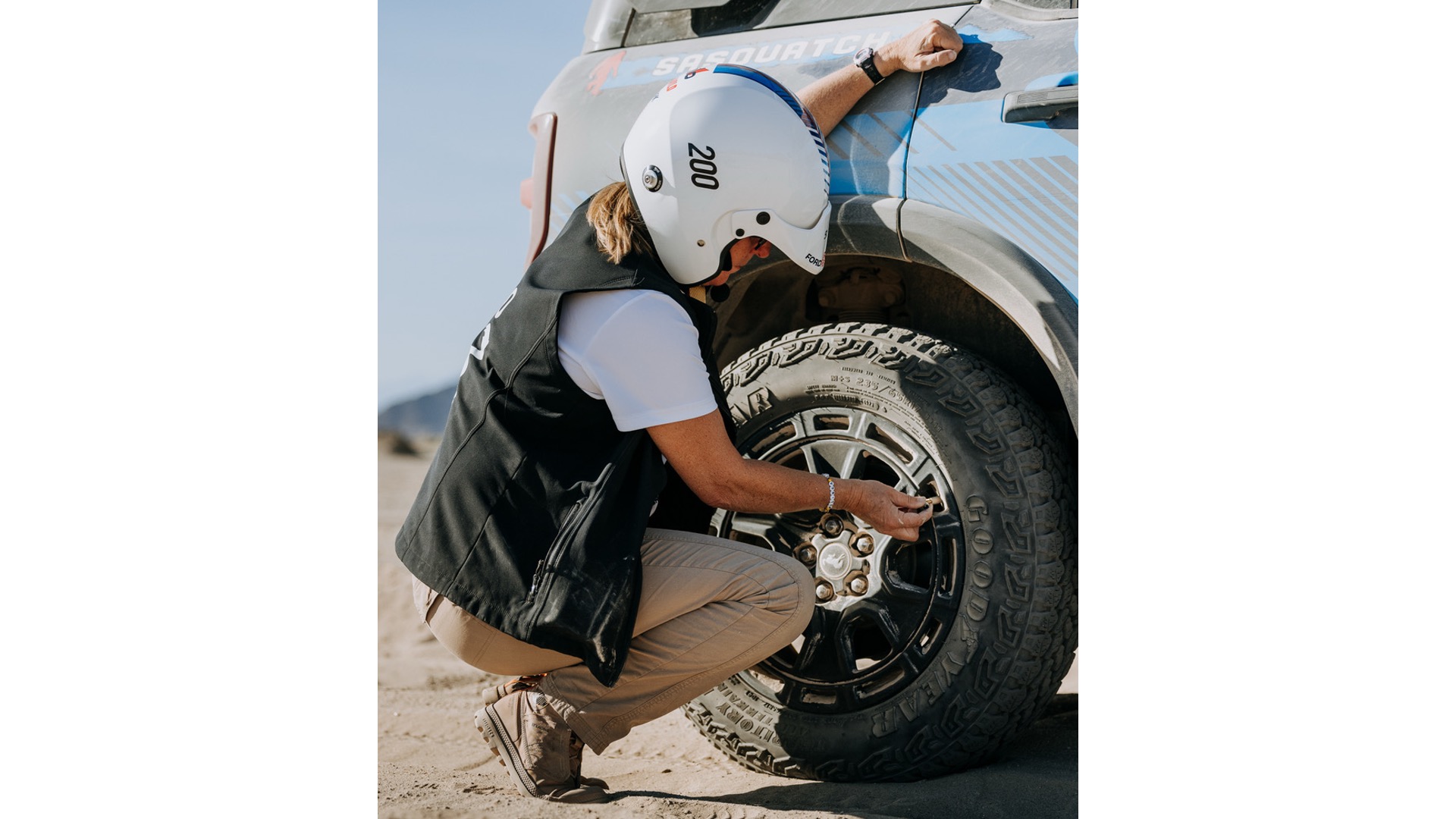
The Rebelle is a navigation rally, but you can't navigate very far with a broken vehicle. I've learned to pay attention to little changes: a new noise, a different vibration, a tire that is slowly losing air or something hanging lower than it did yesterday. The same principle applies to driving. You don't have to prove how hard you can hit something. Sometimes the smartest off-road driving is boring. Pick the line. Protect the tires. Protect the vehicle. Keep moving. The goal isn't to conquer one obstacle spectacularly. The goal is to have a healthy vehicle several hundred kilometers later.
The same thing applies to your body. Eat before you're lightheaded. Drink before you're thirsty. Put on another layer before you're freezing. Use the bathroom when you have the opportunity. Sleep when you can. Tiny physical problems become cognitive problems surprisingly quickly, and navigation is unforgiving when your brain is tired. You don't suddenly lose your ability to do math. You transpose a number, forget which coordinate you were working from or skip a step you've performed correctly 100 times. Taking care of yourself isn't separate from competition strategy. It is competition strategy.
The Rally Is Rarely Lost in One Giant Moment
People tend to remember the dramatic moments: a stuck vehicle, a missed green checkpoint, a mechanical problem or a terrible navigation decision. But rallies are often won and lost through accumulation. Two minutes here. A few points there. One unnecessary backtrack. One checkpoint you should have abandoned sooner. One time you didn't double-check your work.
A wrong blue checkpoint feels enormous when you're sitting next to it. Eight hours later, it may simply be one line on the score sheet. Move on. There is another checkpoint ahead.
That includes knowing when to let a checkpoint go, which is one of the hardest lessons for competitive people. You've invested time getting there. You know it's close. You feel like one more pass will do it. Maybe it will. Or maybe you'll spend another 25 minutes chasing five points while giving up 30 points somewhere else. Knowing when to quit is a skill. The Rebelle rewards persistence, but it also rewards judgment. Those aren't always the same thing.
Preparation Creates Options
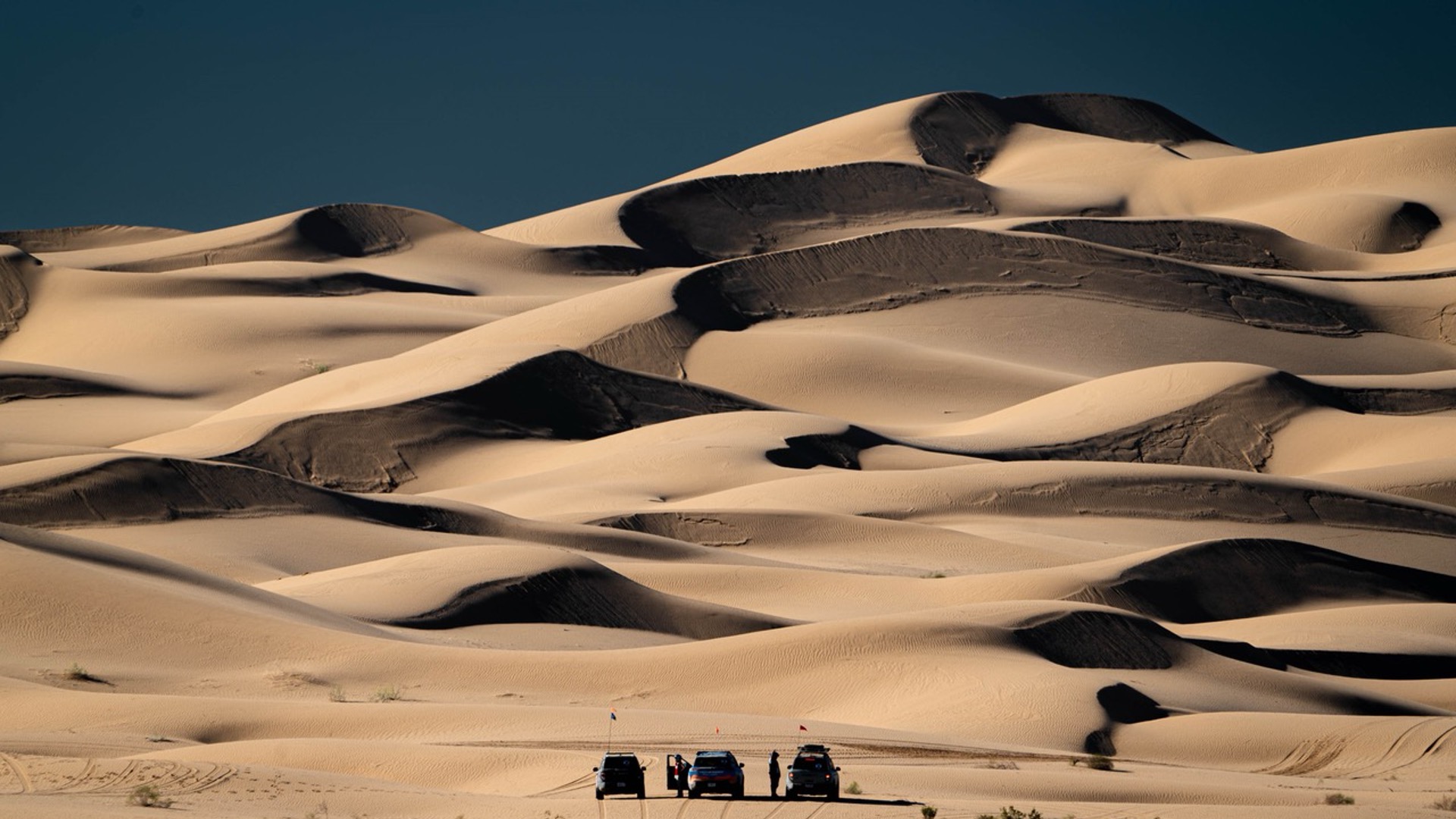
The rally doesn't care what you planned. A road may not look like you expected. Weather changes things. Terrain changes things. Your schedule changes. You fall behind. You get ahead. Preparation isn't about predicting exactly what will happen. It's about having enough tools that when the plan stops working, you have another one.
That's why I still practice. That's why I still study maps. That's why after all these years, I'm still looking for better outcomes. I don't want to memorize one solution. I want options.
The Rebelle also requires confidence. You have to make decisions with incomplete information and then drive toward something you cannot see. But confidence can quietly turn into ego. "I know where it is." "I don't need to check." "We can't be wrong." I've learned to recognize those thoughts. Confidence says, "Based on the information I have, this is our best decision." Ego says, "I couldn't possibly be wrong." The desert has a remarkably efficient way of explaining the difference.
Don't Let One Bad Moment Become a Bad Day
Everyone has them. You miss something you shouldn't have missed. You make a mistake you know better than to make. You're angry; maybe at yourself, maybe at your teammate, maybe at the universe. You can carry that mistake with you for the next six hours, or you can leave it behind.
Reset. What's next? Where are we? What do we know? What can we still accomplish today? Some of my proudest rally moments haven't been when everything went perfectly. They've been the days when things went badly and we found a way to recover.
The People Are What You Remember
Years later, I can still remember certain checkpoints and routes, but what I remember most clearly are people. The competitors who became friends. The laughter in base camp. The person who checked on me after a difficult day. The hugs at the finish. The shared understanding between people who have spent a week doing something that is very difficult to explain to anyone who hasn't done it.
Competition matters to me. I wouldn't have kept coming back if it didn't. I want to do well. I want to find the checkpoints. I want the points. I want to stand on the podium. But ten years later, I understand that the scoreboard is only part of what you take home.
Ten Years Later, I'm Still Nervous
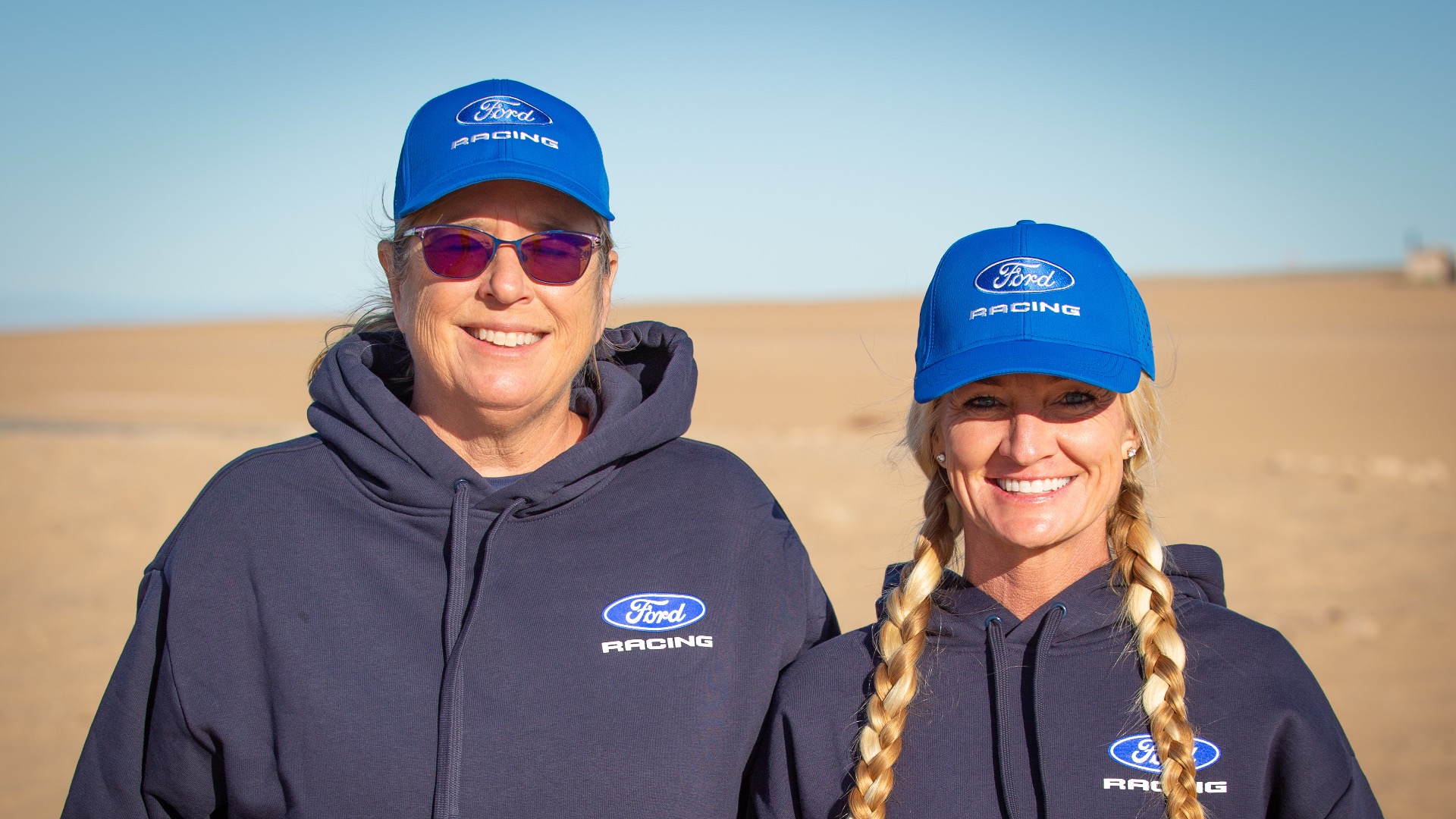
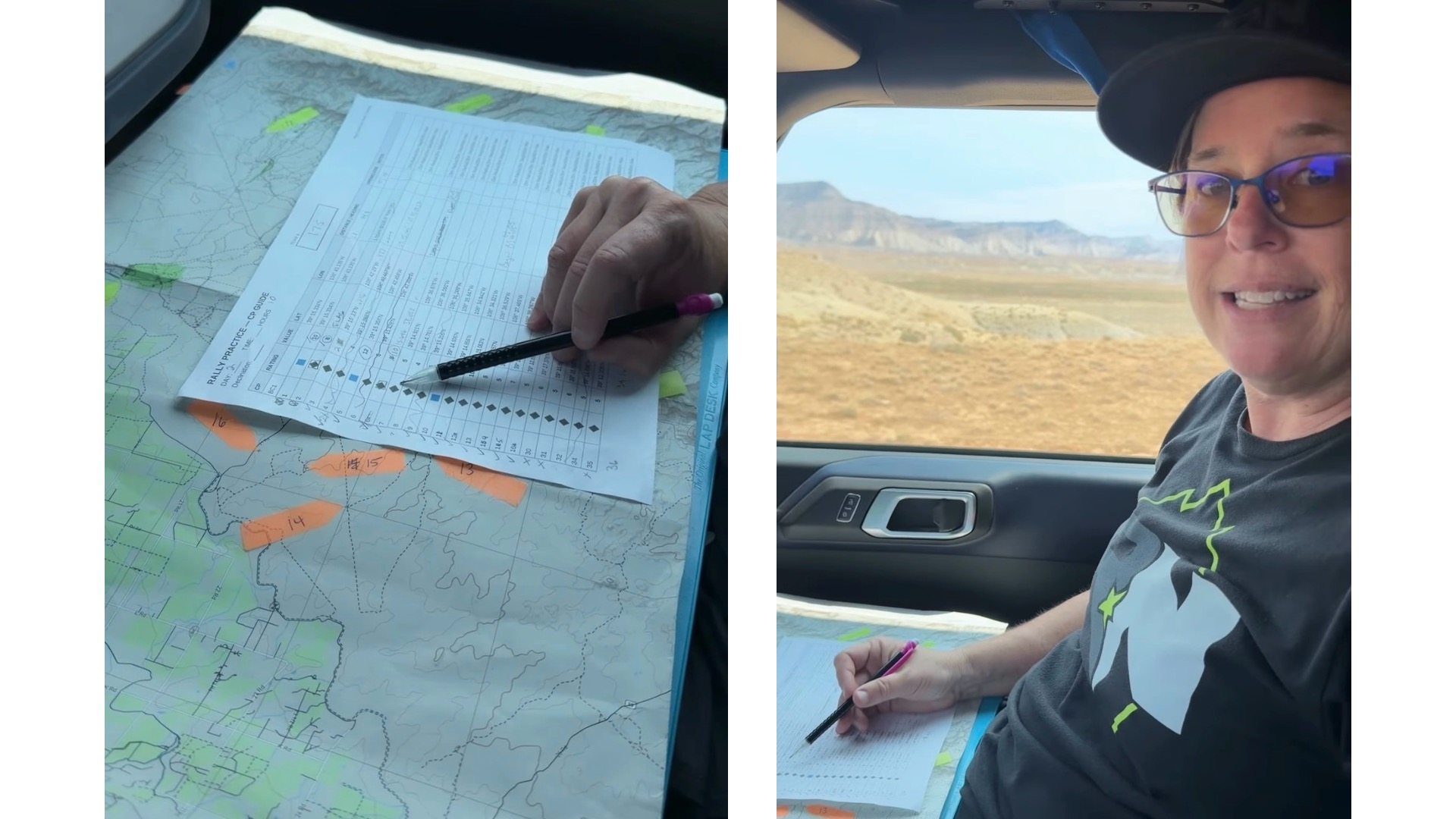
I'm heading into my eleventh Rebelle in a different role for Ford Racing, navigating this time with Kristen driving. I'm practicing. I'm timing myself. I'm looking for weaknesses. I'm thinking about communication and workflow and how we can divide tasks when things get busy. After all these years, I still wonder whether I've prepared enough.
Maybe that's another thing the Rebelle has taught me: you never completely master it. The terrain changes. The course changes. The vehicle changes. Your teammate changes. And you change.
Every year the Rebelle finds a different way to ask the same question: What are you going to do now?
You make the best decision you can. You trust your preparation. You trust your teammate. You look at the map, and you keep moving.
That's why I'm coming back for number eleven, in just three weeks. Learn more about the rally and follow us LIVE at rebellerally.com.
Comments
You must log in or register to post here.