
In January 2026, a federal court ruling quietly reshaped off-road access in one of the most iconic desert regions in the United States. The Western Mojave Desert, known in the off-road community simply as WEMO, has become the center of one of the largest trail access losses in modern history.
For Bronco Nation members who enjoy remote trails, camping and wide-open desert travel, this isn’t just a California issue, it’s a precedent that could impact trails across the country and I’ll explain why.
What Is WEMO?
WEMO stands for the Western Mojave Desert planning area, a massive region of public land managed primarily by the Bureau of Land Management (BLM). It spans roughly 9.4 million acres, with about 3.1 million acres under BLM management.
Historically, this area has been a cornerstone of desert recreation, with a network of approximately 16,000 miles of designated routes used by off-roaders, overlanders, and explorers for decades.
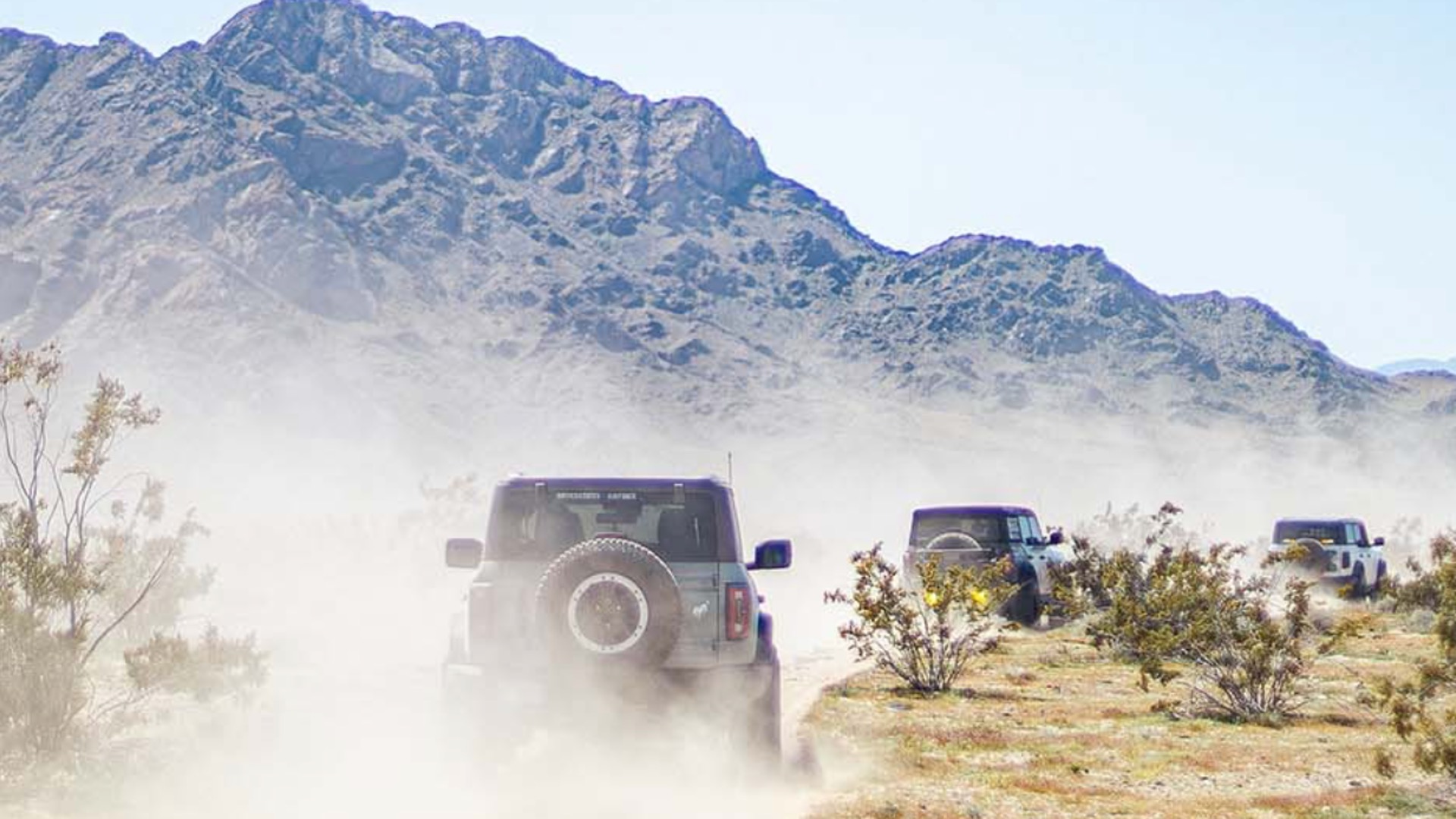
These routes provided access to everything from remote mining towns to high desert ridgelines, exactly the kind of terrain exploring Broncos were built for.
What Happened?
On January 25, 2026, a federal judge ordered the closure of over 2,200 miles of designated OHV routes across the WEMO region. This wasn’t just a sudden decision; it was the result of a 20-year legal battle over how the Mojave Desert should be managed.
Here’s how it unfolded:
1980s: BLM documents around 16,000 miles of routes
2006: First WEMO travel plan finalized and immediately challenged in court
2019: Revised plan closes approximately 10,000 miles, leaving about 6,000 open
2024: Court rules the plan still doesn’t meet legal standards
2026: Court orders an additional 2,200 miles closed
The result?
Roughly 76% of the original route network is now gone.
Entire travel management areas have effectively been shut down.
Why Did the Judge Order the Closures?
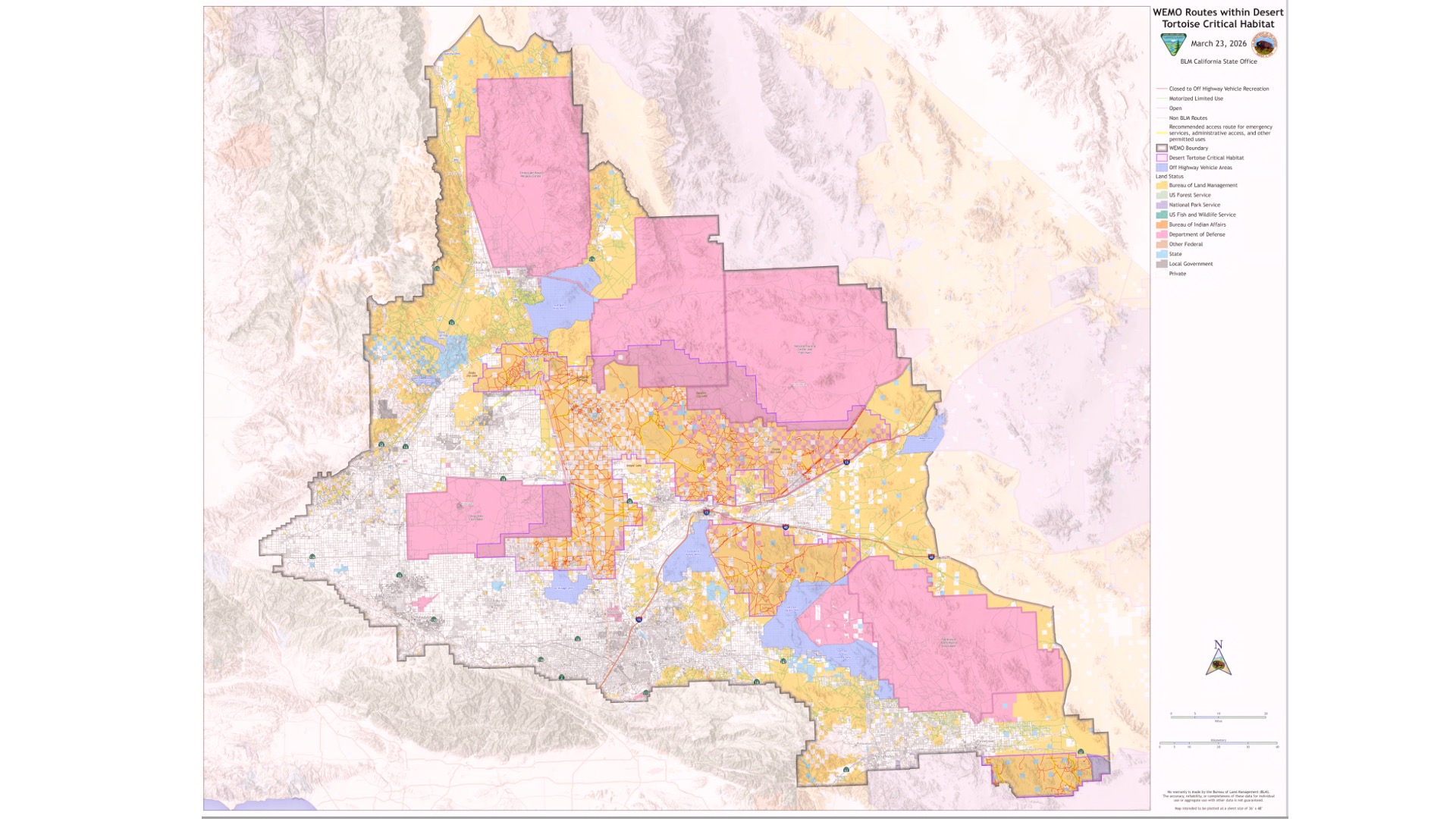
At the center of the ruling is how the court interpreted something called “minimization criteria.” Under federal law (FLPMA), the BLM is required to allow multiple uses of public land (including recreation) and prevent unnecessary environmental damage. But the court determined that the BLM’s plan did not go far enough in minimizing impacts—particularly regarding desert tortoise habitat.
As a result:
Routes were deemed insufficiently justified, existing mitigation strategies were not enough, and closures were ordered as the legal remedy.
Critics argue this interpretation effectively turns “minimize impacts” into “eliminate access”, allowing courts to override years of planning and public input.
Supporters of the ruling, on the other hand, see it as necessary to protect sensitive species and fragile desert ecosystems.
How Big Is This Closure?
The scale is hard to overstate:
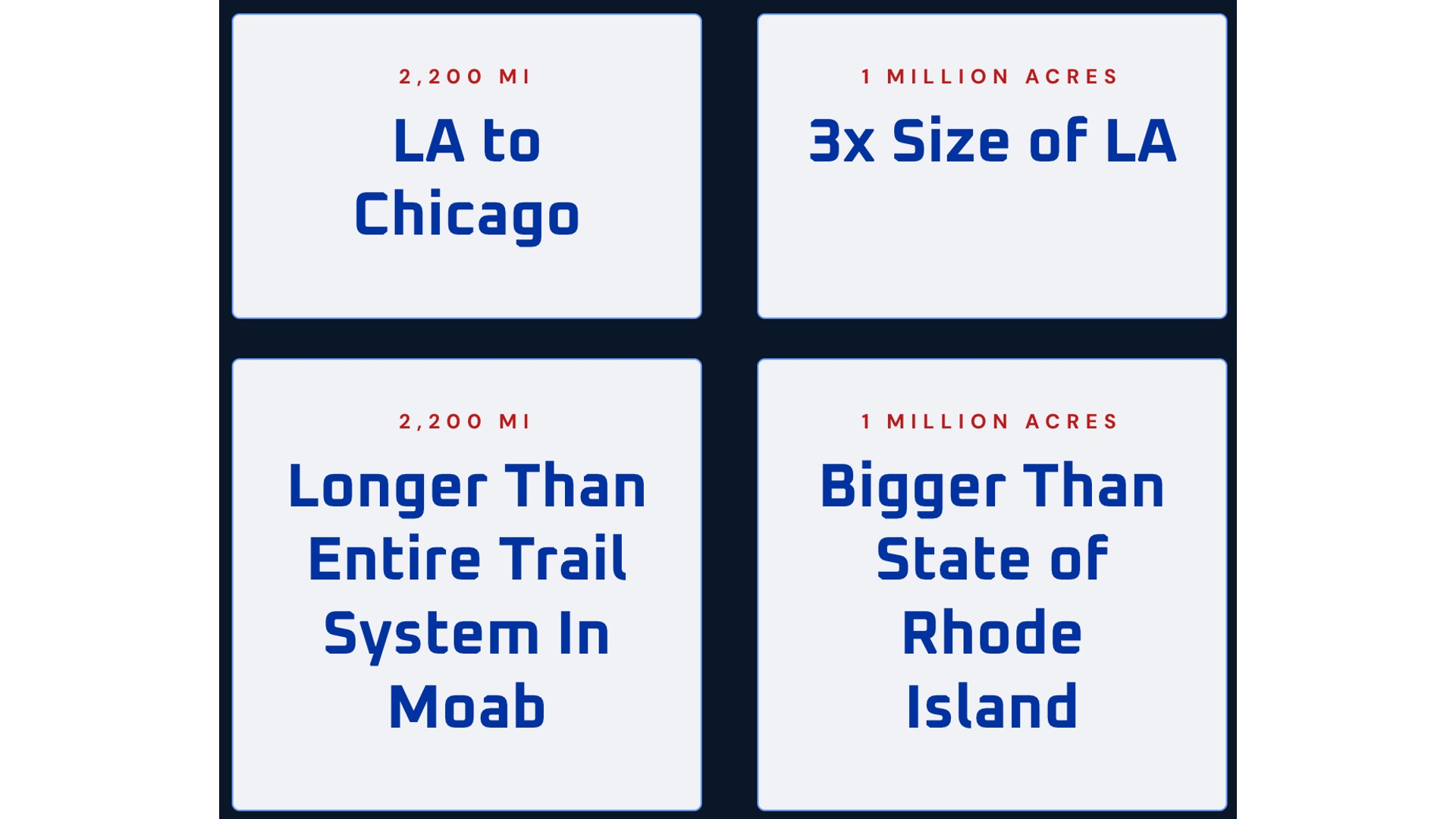
- 2,200 miles of trails closed
- Over 1 million acres impacted
- Only a fraction of the original network remains accessible
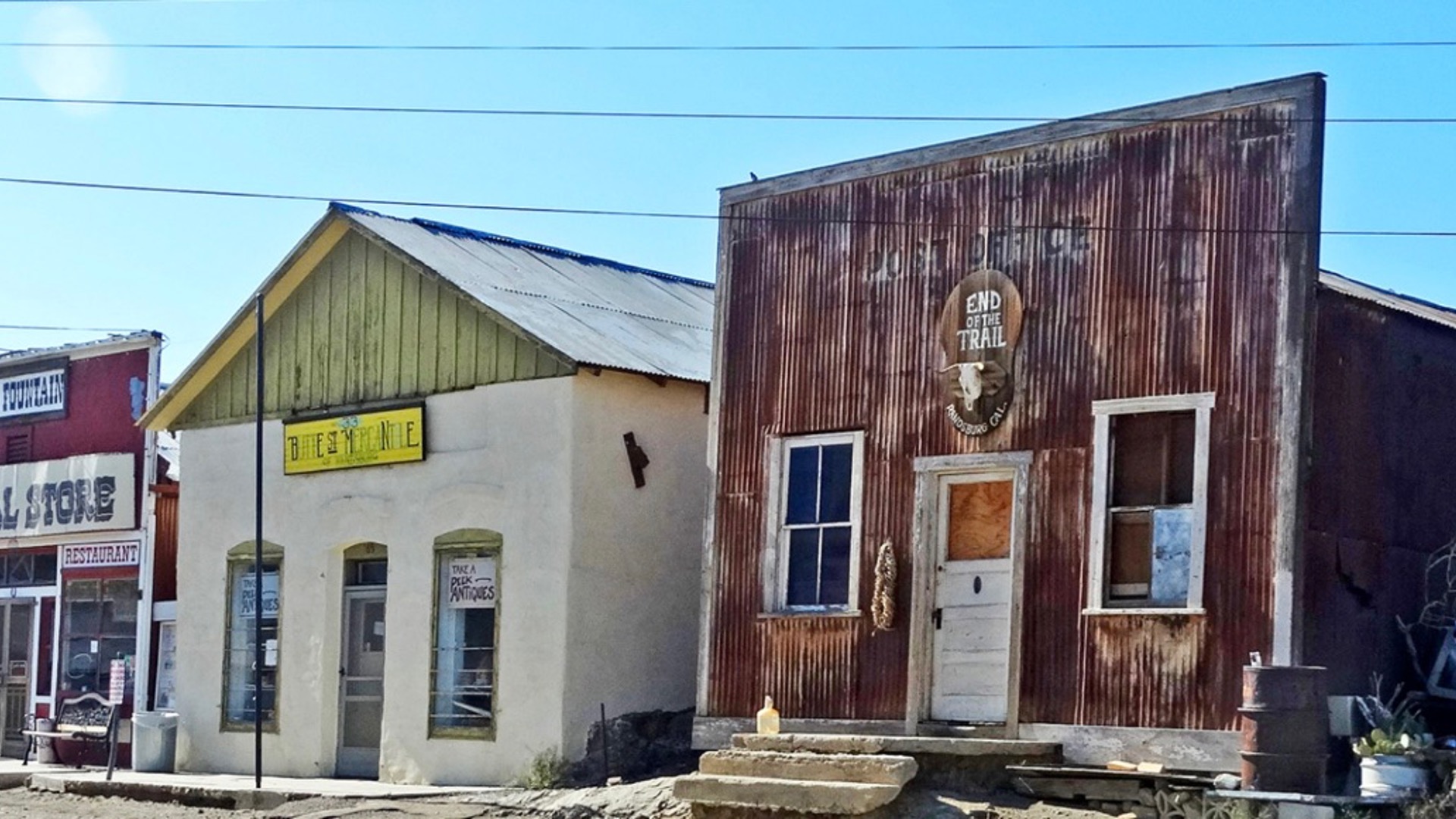
To put that in perspective that’s more trail mileage than many entire off-road regions and a huge loss affecting recreation, tourism, and local economies. Communities like Randsburg and Red Mountain, long supported by off-road tourism, are expected to feel the impact directly.
Why This Matters to Bronco Owners No Matter Where You Live
Even if you’ve never wheeled in the Mojave, this ruling matters.
It establishes a precedent where courts, not land managers or Congress, can dictate access. Where long-standing trail systems can be removed after the fact, and similar legal challenges could target other trail networks nationwide. In short: what happened in WEMO doesn’t stay in WEMO.
What Bronco Nation Members Can Do
This isn’t a situation where frustration alone helps. Action, and smart action, does.
1. Stay Legal and Respect Closures
It sounds simple, but it matters. Ignoring closures undermines credibility and weakens future access arguments. It’s tempting in the remote desert to just go around closure signs, but your tracks leave behind evidence that off-roaders do not respect the law.
2. Support Advocacy Organizations
Groups actively fighting or working toward solutions include:
- BlueRibbon Coalition
- California Four Wheel Drive Association (Cal4Wheel)
- American Sand Association
- Specialty Equipment Market Association (SEMA)
- Utah Public Land’s Alliance
These organizations are pursuing legal challenges, scientific reviews, and policy changes.
3. Submit Comments and Contact Representatives
Public land policy is influenced by public input. Key actions include:
- Contacting your Senators and Representatives
- Submitting comments during BLM planning processes
- Supporting efforts to appeal the ruling or revise its framework
- Signing a petition through Blue Ribbon Coalition that calls on the administration and Congress to rescind executive orders that allowed for the creation of minimization criteria which have been weaponized to close access to our public lands.
4. Advocate for Balanced Land Use
The most effective messaging isn’t “access at all costs”, it’s responsible recreation including conservation while allowing access, and science-based land management.
That’s the argument that holds up in court and policy discussions.
5. Get Involved Locally
Trail cleanups, stewardship programs, and education efforts matter more than ever. The off-road community’s reputation plays a real role in future decisions.
The Road Ahead
The WEMO closures are not just a loss of trails, they’re a turning point. But history shows these fights take years, not months. There is ongoing effort to:
- Reevaluate environmental assumptions
- Push for updated scientific review
- Restore access through legal and administrative channels.
But history shows these fights take years, not months.
Final Thoughts
Bronco owners understand something many don’t: access to public land isn’t guaranteed, it’s managed, negotiated, and sometimes lost.
WEMO is a wake-up call.
If the off-road community wants to keep exploring places like the Mojave, Moab, and beyond, the path forward isn’t just on the trail—it’s in engagement, advocacy, and responsible use.
Because once trails disappear, getting them back is a much harder climb than any obstacle you’ll face behind the wheel.
Comments
You must log in or register to post here.