
Johnson Valley is more than just an empty desert, to me, it’s a special place that every Bronco or Bronco Sport owner should visit. To see sites like Bronco Knoll & Bronco Sport Summit, areas where the Bronco saw so much off-road testing and development and where many of us have great memories of past Bronco Nation basecamps, guided trail runs, and opportunities to interact with legendary off-road racers.

My first introduction to Johnson Valley was during the Rebelle Rally, where we used map and compass to find checkpoints in the desert. It really gave me an appreciation of the rich topography of this area and just how amazing having an open OHV area of this size is. Almost every Rally has had either basecamps or marathon camps here and I fell in love with the area long before ever attending KOH.
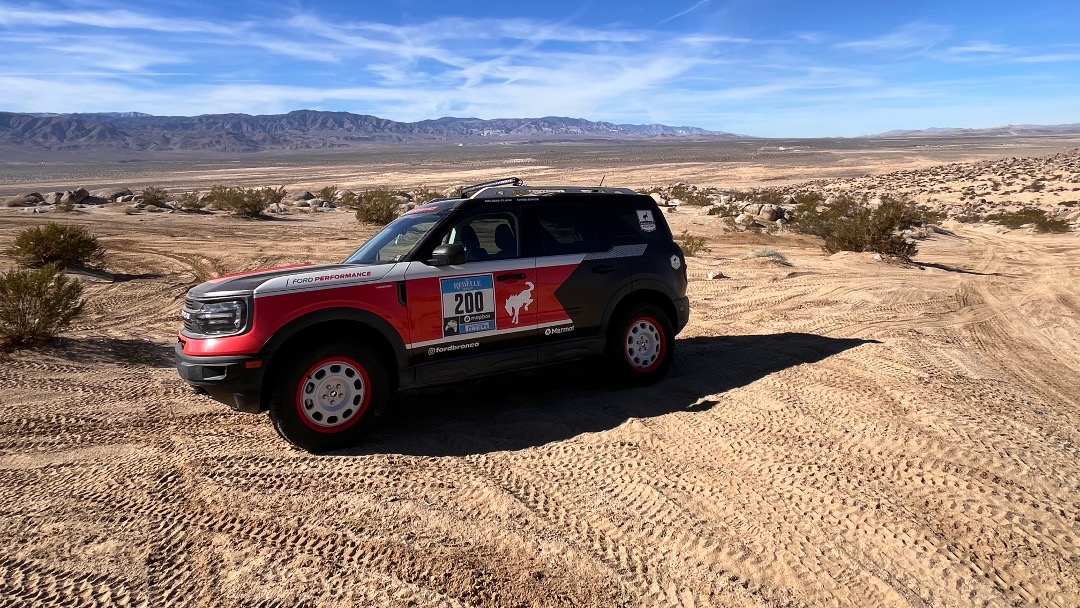
Each winter the dry lakebed area becomes “Hammertown,” and I struggled to envision thousands of campers, RVs, race vehicles, and basically a functioning town in the absolutely empty area I was standing in. King of the Hammers is a two-week series of races from motorcycles through Trophy trucks with the most popular races being the “Every Man Challenge” and the grand finale, the Race of Kings, arguably the toughest and most iconic off-road race on earth. Being able to participate with thousands of noisy spectators, cheering racers navigating Back Door or Chocolate Thunder and being able to visit those spots days later with complete silence and emptiness are what makes this area so special to me.
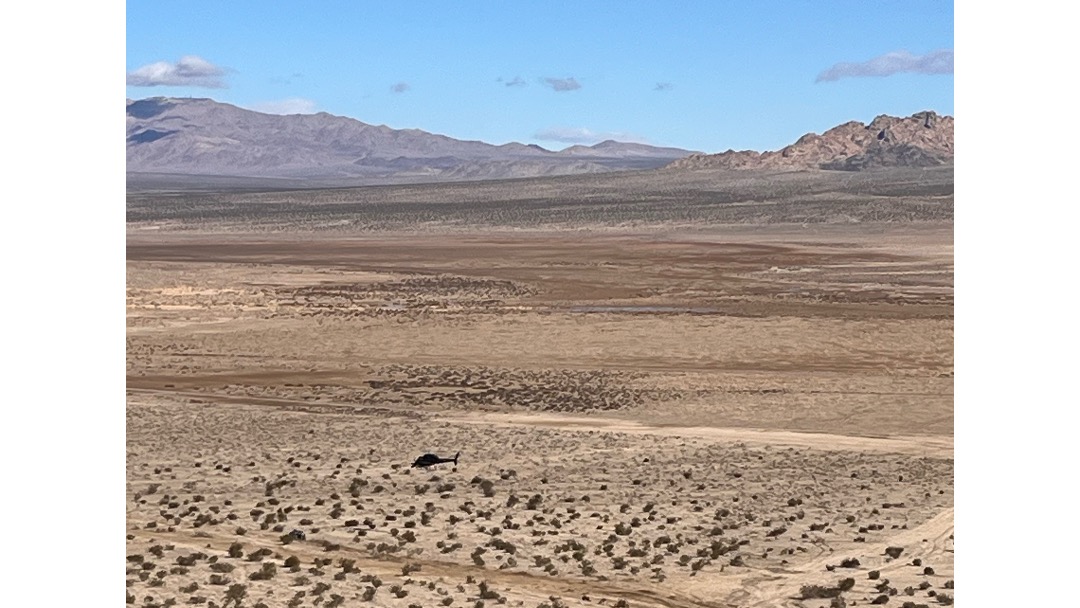
But a new federal proposal is putting that future on the line. The Marine Corps has applied for permanent Special Use Airspace (SUA) over the Johnson Valley area, from ground surface to several thousand feet, in areas that would restrict or close the skies above public recreational lands for many days each year. Community leaders, off-road organizations and national media are warning the proposal would hamper civilian access, threaten search and rescue response (including medevac and timely life flights), restrict drone use and event operations, and in the worst case jeopardize the ability to run large events like King of the Hammers.

There are three alternatives on the table
As presented in the Marine Corps’ planning documents and summarized by public-lands groups, there are three core paths:
A full “surface-to-ceiling” closure unless permission is granted (most restrictive).
This would essentially stop any civilian fixed-wing aircraft, helicopters, drones and other aerial operations over Johnson Valley, except when the Marines specifically allow it. The unintended consequence: in an emergency this restriction could slow or prevent life flights and search-and-rescue responses that rely on helicopters, putting injured participants and spectators at greater risk.
A more limited shared-use model requiring Marine coordination and advance approval for many flights.
This would be slightly less limiting on paper but would still require civilians to navigate a red-tape process, creating delays or even cancellations for medical flights, media coverage, and commercial operations tied to events. This a “practical closure” because of the operational friction it introduces.
No-action alternative, leave the airspace as it currently is.
Under this approach the FAA would not create new permanent SUA, preserving current civilian access and the ability of emergency medical services, media and pilots to operate without Marine pre-clearance. This is the only alternative that will allow events and off-road recreation to continue unimpeded.
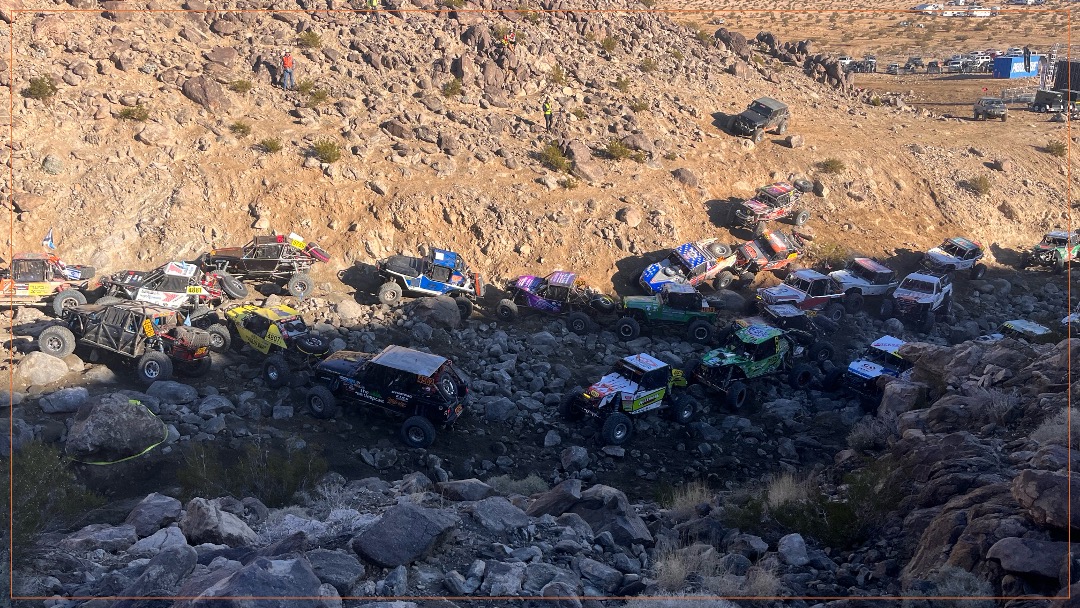
A déjà-vu fight: Johnson Valley’s history
This isn’t the first time Johnson Valley has been in the crosshairs. In the early 2010s the Marine Corps sought to expand its Twentynine Palms training range into portions of the Johnson Valley area, which sparked mobilization from the off-road community, elected officials and recreation groups. The outcome was a negotiated compromise included in the 2014 National Defense Authorization Act that allowed the Marines additional training land while preserving much of the public OHV area, but it came with new closures and a lasting sense that the valley’s future could shift at any political wind. The current airspace proposal has many in the community recalling that fight and fearing the valley will again be reshaped without adequate protections.

Why King of the Hammers matters
KOH is both a sport and a source of revenue for the small towns and business owners surrounding Johnson Valley. Although many people camp, the restaurants, hotels, gas stations and shops in Lucerne Valley, Yucca Valley and Landers rely on this even for much of their revenue and on Johnson Valley’s access itself for the rest. For the off-road industry KOH and JV is a product showcase and a testing ground. For participants and fans, it’s an annual tradition and one I’ve come to love. Losing reliable access to the skies, with drones and helicopters, along with medevac, media, and event logistics, could force the race to disappear.
What the off-road community is doing
Groups such as the BlueRibbon Coalition, Cal-4-Wheel and a broad coalition of clubs, businesses and even groups of recreational pilots have mobilized to oppose the most restrictive airspace options. They’ve filed comments, asked for fuller environmental review, and run public-education campaigns explaining how an SUA would affect safety, recreation, and nearby economies. BlueRibbon’s “Save the Hammers” alerts asked for public comments on a tight deadline; other organizations have been coordinating with local officials and congressional offices to urge solutions that balance readiness with public access. Even though formal comment deadlines (publicized with a Sept. 15 deadline in this round of outreach) may have passed, the community still has tools: contact your representatives, support advocacy groups, donate to legal defense funds, and keep the issue visible in local media.
The path forward
A workable compromise would protect national training needs while explicitly preserving emergency access and event operations. Possibilities include: carve-outs for medevac and search-and-rescue that are automatic (not subject to hours-long permission processes); narrow, time-limited SUA windows tied only to specific training dates; and formal memorandum-of-understanding language guaranteeing KOH and other scheduled events can proceed with reasonable aviation access. These are the kinds of mitigations advocates are asking for in public comments and negotiations.
Johnson Valley is one of the rare places where you can find absolute solitude with your Bronco or Sport. The Marine Corps’ request for permanent airspace isn’t a purely administrative tweak, it could reshape the valley’s skies, and its emergency response options, potentially even KOH. It all depends on how well public-land advocates, local leaders and the broader public make the case that public skies deserve protection alongside any national security priorities.
Comments
You must log in or register to post here.